What we taste in a great bottle of wine is often the result of where the grapes are grown and how they are maintained – referred to as terroir or “taste of place.” In doing this, we also make it our mission to be as environmentally-friendly as possible.
A green design
Built to work with the sun, not against it
Our winery is built with a green design that is solar powered. We also positioned the building on an East/West axis so the hot summer sun is only on the roof.
Certifications & Memberships
Recognized for How We Farm
Certified
Fish Friendly Farming
Our vineyards are Fish Friendly Farming certified. The program recognizes agricultural properties managed to restore fish and wildlife habitat and improve water quality.
Certification is built on a Farm Conservation Plan that is reviewed by state and federal agencies and verified with an on-site inspection, and each property is re-certified every five years.
We are proud members of the Slow Wine Coalition, Slow Food’s movement for good, clean and fair wine.
Its manifesto asks producers to make wines that express their place of origin, farm without synthetic fertilizers or herbicides, limit irrigation, protect biodiversity with cover crops and wild habitat, and treat the people and communities behind each bottle fairly.
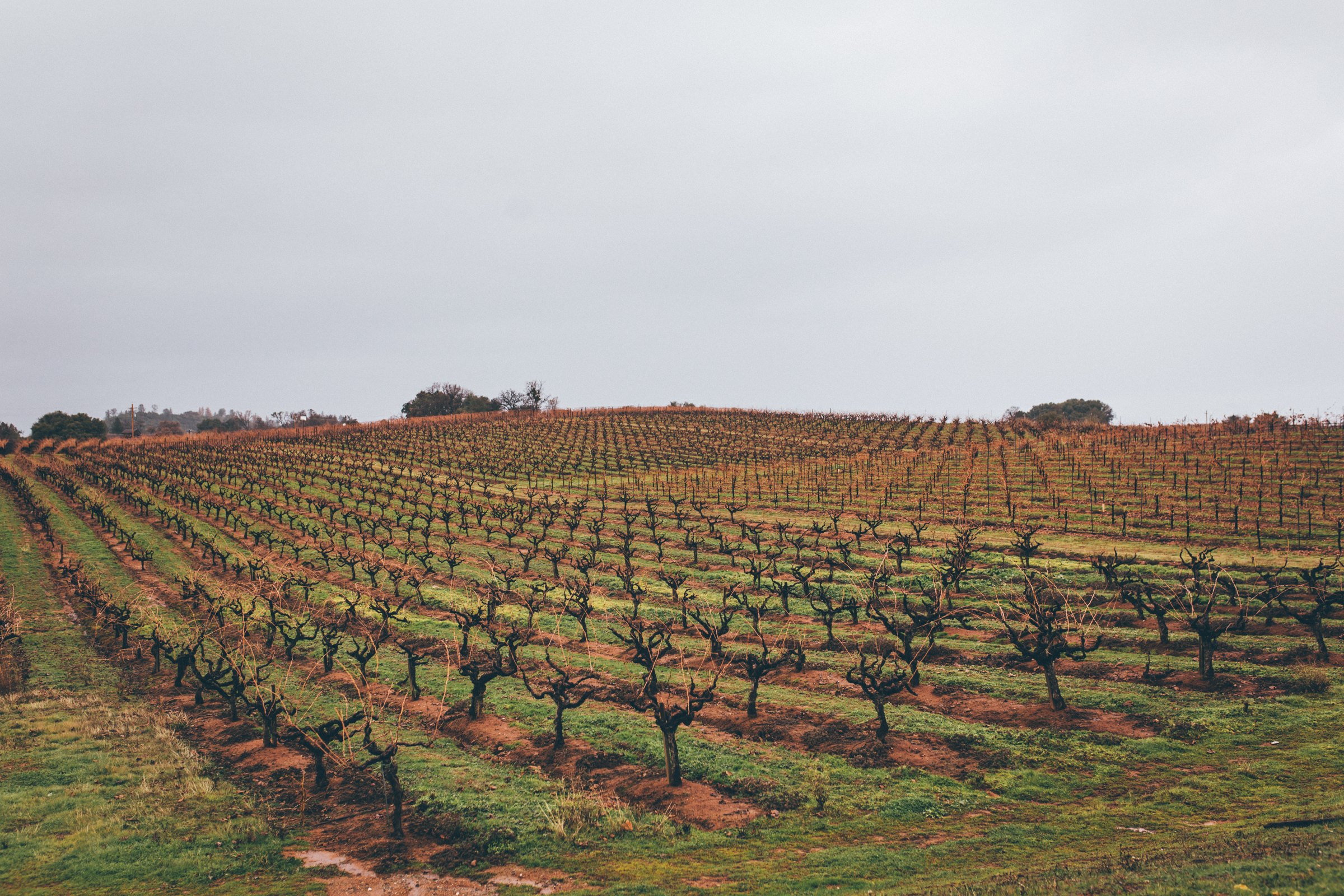
Our estate grown Zinfandel vines are now 45 years old and completely dry farmed. The combination of maturity and no irrigation, aside from mother nature, forces the vines to struggle a bit and seek water deeper into the soils.
By stretching their root systems through many layers of soil, a variety of minerals and nutrients are brought into the grapes. The grapes produced by these vines are smaller with a higher skin to juice ratio. This allows us to make highly concentrated wines, dense with flavor and texture. Additionally, our vines are self-regulating in that they will not over crop. We get smaller yields but higher quality grapes from these vineyards.
45 years
Dry-farmed estate Zinfandel vines
Cover Crops
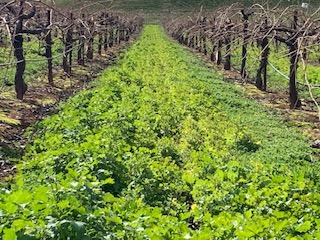
Come fall, the grapes have been harvested, the vines are entering dormancy, and the soils need to be replenished. Cover crops are a great way to have a large impact in the vineyard naturally. In between the rows of vines, we plant a variety of cover crops to help the soil with water retention and erosion. The added vegetation attracts healthy insects, promoting ecological balance in the vineyards. In the spring, we till the cover crops into the earth, adding much needed nutrients back into the soil.
Pomace
We use pomace, the skins leftover from winemaking, to keep dust down from our vineyard roads. By controlling dust, fine particles are prevented from becoming airborne, which can cause health issues and damage vegetation. Pomace is also an effective mulch against weeds and helps keep moisture in the soil. When tilled back in, pomace provides additional organic material and nutrients into the vineyard.
Owl Boxes
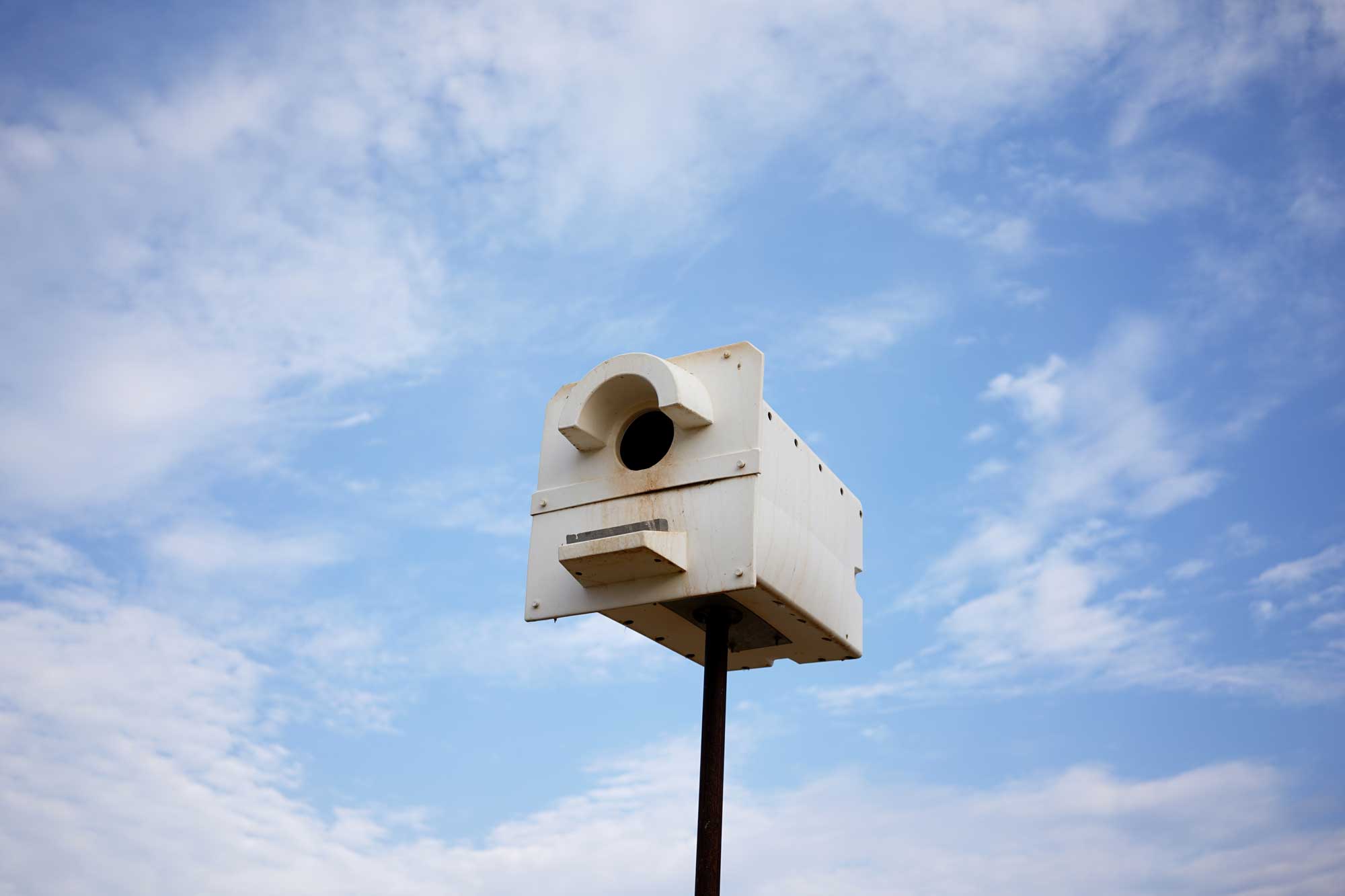
As part of our pest management program, we built owl boxes to attract our feathered friends into the vineyards. By providing a safe place for the owls to reside, we can help to increase the declining barn owl population in our area. An owl family can consume upwards of 2,000 rodents per year, which also helps lessen our use of pesticides and chemicals.
2,000+
Rodents a year, eaten by one owl family
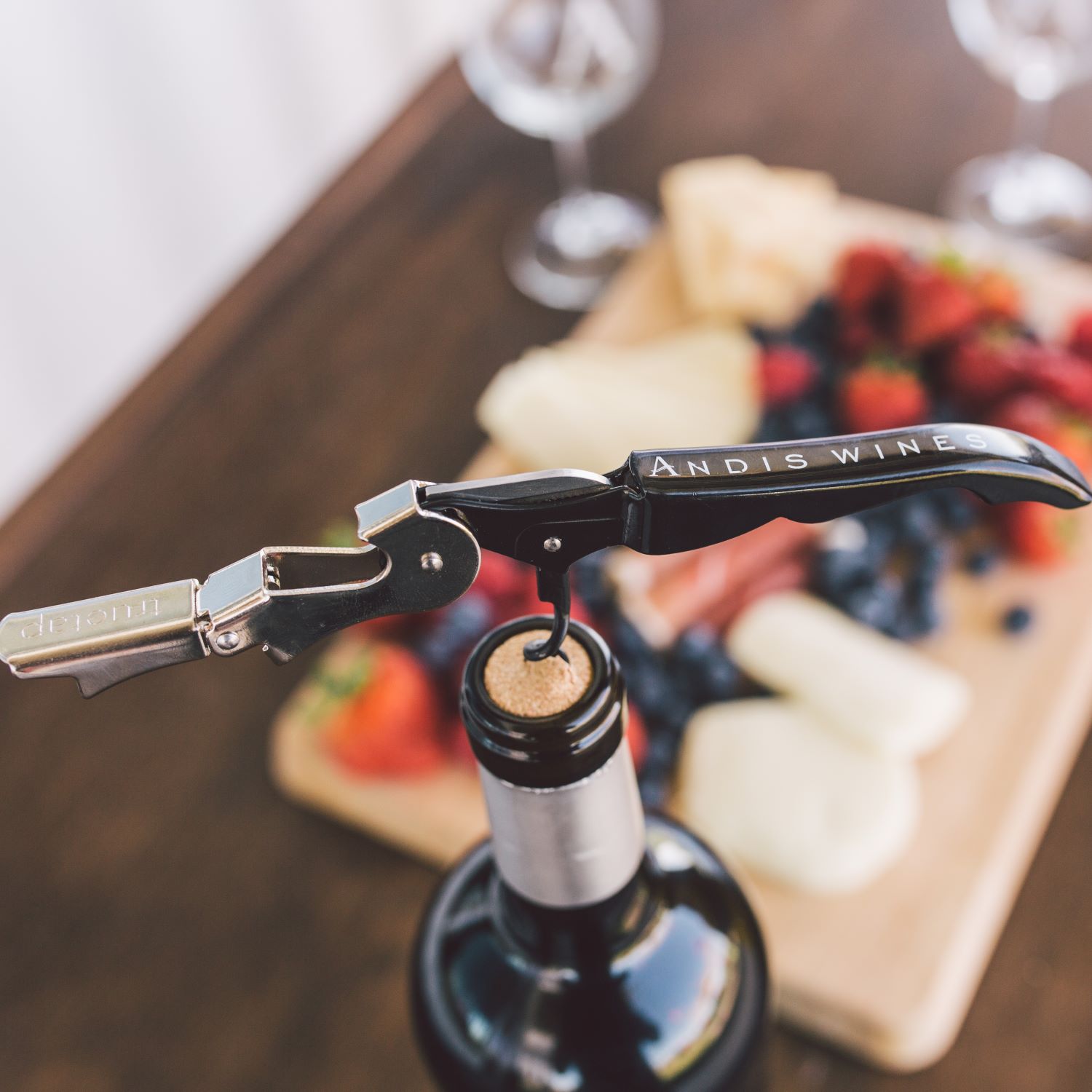
Corks & Bottles
Did you know cork oak forests make a significant contribution to the quality of the air we breathe? A cork oak tree lives for up to 200 years and within its lifetime, it becomes a massive storehouse of CO2, which helps reduce harmful greenhouse gas emissions.
Our cork supplier recently honored us with a certificate highlighting our contribution to sequestering 24.6 tonnes of CO2 from the atmosphere – equivalent to what 1,025 trees would capture in a year! The findings are the only ones to date that underwent a multi-closure comparative peer review.
We are also in the process of switching to lighter wine bottles to help reduce waste in packaging. Lighter bottles are an impactful way to reduce our carbon footprint by decreasing greenhouse gases.
24.6 tonnes
CO₂ sequestered – what 1,025 trees capture in a year